How The Row Redefined American Minimalism in Fashion
The brand holds a strange spot in fashion: it ranks as one of the most discussed labels of the past twenty years, yet it almost never advertises, sidesteps celebrity gifting stunts, and has forged its reputation almost entirely on word of mouth and returning shoppers. Founded by Mary-Kate and Ashley Olsen in 2006, the brand was born out of a plain frustration — the difficulty to find a simple, quality-made t-shirt that actually fit and endured. This backstory is significant because it clarifies all that followed: meticulous attention to cut, fabric weight, and finishing, with barely any regard for seasonal fanfare or logo branding.
What sets apart The Row aesthetic distinct is not minimalism as a fashionable look but minimalism functioning as a core operating principle. Pieces are frequently made in modest ateliers in Italy, with pattern-cutting that can take dozens of iterations before a single silhouette is approved. As many as 50 fit sessions might be needed for a single blazer. This is slow fashion in the truest sense, and it’s why the brand’s cost structure lands at the uppermost tier of the contemporary-to-luxury bracket. The outcome is clothing and accessories that look deceptively simple but contain a level of construction that most buyers only recognize once the item has been worn for a year.
The Emergence of The Row Bags Became Status Objects
While the clothing forged its standing among editors and stylists, the bags are what transformed The Row into a mass-appeal fixation, most notably from 2020 onward. The Row’s bags sit in an odd in-between space, part quiet luxury, part cult favorite — instantly recognizable to insiders, barely registering to the uninitiated. Rather than a monogram or attention-grabbing hardware spelling out the brand, there’s simply clean leather, tailored shapes, and lines that come across as expensive without trying too hard.
The Margaux is the piece most responsible for this shift. Named after Margaux Hemingway, it launched with a boxy, open-top silhouette and a slouchy leather body that looked equally at home on a stylist’s arm at fashion week or saint-bags.com/tote-bags tucked under a laptop bag on a commute. Its popularity created genuine scarcity — waitlists at Bergdorf Goodman and Net-a-Porter stretched for months during peak demand years. Anyone searching for where to buy The Row Margaux bag quickly learns that availability fluctuates constantly, with limited restocks appearing at a handful of authorized retailers rather than flooding the market.
The Sofia, Wander, and the moon-curved styles filled out the range, each translating the same guiding principle: restrained branding, maximal material quality, and shapes that don’t get swept up in trend cycles. This unwavering approach is a key factor in why the resale market for The Row handbags has remained strong — worth erodes at a slower pace than with most luxury handbag brands, because appeal doesn’t fade the moment a new “it” bag emerges elsewhere.
Best Row Bags: A Useful Breakdown
For shoppers making sense of the current lineup, a look at the current styles helps clarify which silhouettes serve which need. The brand’s handbag range spans architectural top-handle bags, slouchy shoulder totes, and clutch styles, and prices generally range from the low thousands into five-figure territory depending on leather type, size, and hardware finish. Below is a comparison of some of the most frequently browsed styles to give a sharper understanding of how they differ in use case.
| Bag Style | Silhouette | Best For | Notable Trait |
|---|---|---|---|
| Margaux | Structured yet open-top tote | Everyday use, office | Soft slouch, iconic standing |
| Sofia | Architectural top-handle | Evening, formal events | Compact, architectural shape |
| Wander | Flexible shoulder style | On-the-go use, travel | Lightweight, flexible body |
| The Row Tote Bag | Roomy, open-top design | Work and weekend use | Generous space, understated hardware |
The tote style deserves specific mention because it acts much like the brand’s workhorse option — roomier, less delicate in feel than the Margaux, and designed for people who need to carry a laptop, files, or gym clothes without giving up the label’s restrained style. It’s often the entry point for shoppers moving from ready-to-wear into The Row’s accessories world, since totes tend to be more forgiving in terms of regular wear compared to structured top-handles.
When people ask which are the strongest picks for investment purposes, the straightforward truth depends on personal use rather than buzz. The Margaux holds resale value remarkably well due to ongoing popularity, but it’s a large, casual shape that doesn’t suit formal dressing. Sofia, by contrast, is a better match for evening wear but sees less everyday use, which can make its cost-per-wear higher for most owners.
Making Sense of Row Sale Timing and Where Savvy Shoppers Look
Because The Row almost never marks down through its own channels, a row sale is a remarkably rare event, and shoppers searching for one need to understand where markdowns actually appear. The brand keeps tight control over pricing to protect its position as a luxury house, which means major markdowns are almost never found on therow.com itself. Instead, sales activity tends to appear through multi-brand retailers during their seasonal markdown windows — think seasonal price cuts at high-end department stores or discount marketplaces that receive scarce consignment stock.
When it comes to finding discounted The Row handbags, it’s The RealReal, Vestiaire Collective, and Fashionphile that have emerged as the surest resource, particularly for older hues or discontinued silhouettes no longer part of the main collection. Cost levels on these sites fluctuates based on condition, hardware, and leather type, but carefully kept pieces from the last few seasons routinely trade at 20-40% below original retail, which is far superior value preservation than most contemporary handbag brands manage.
The Row’s distribution model excludes The Row’s sales approach, which distinguishes it from many other luxury houses that quietly move overstock through factory outlets. That gap heightens exclusivity and clarifies why the pre-owned circuit has become such an active secondary market. Buyers willing to wait and prepared to track these platforms consistently tend to find better opportunities than those holding out for an official discount that may never come.
The Row’s Full Range: Clothing and Accessory Lines
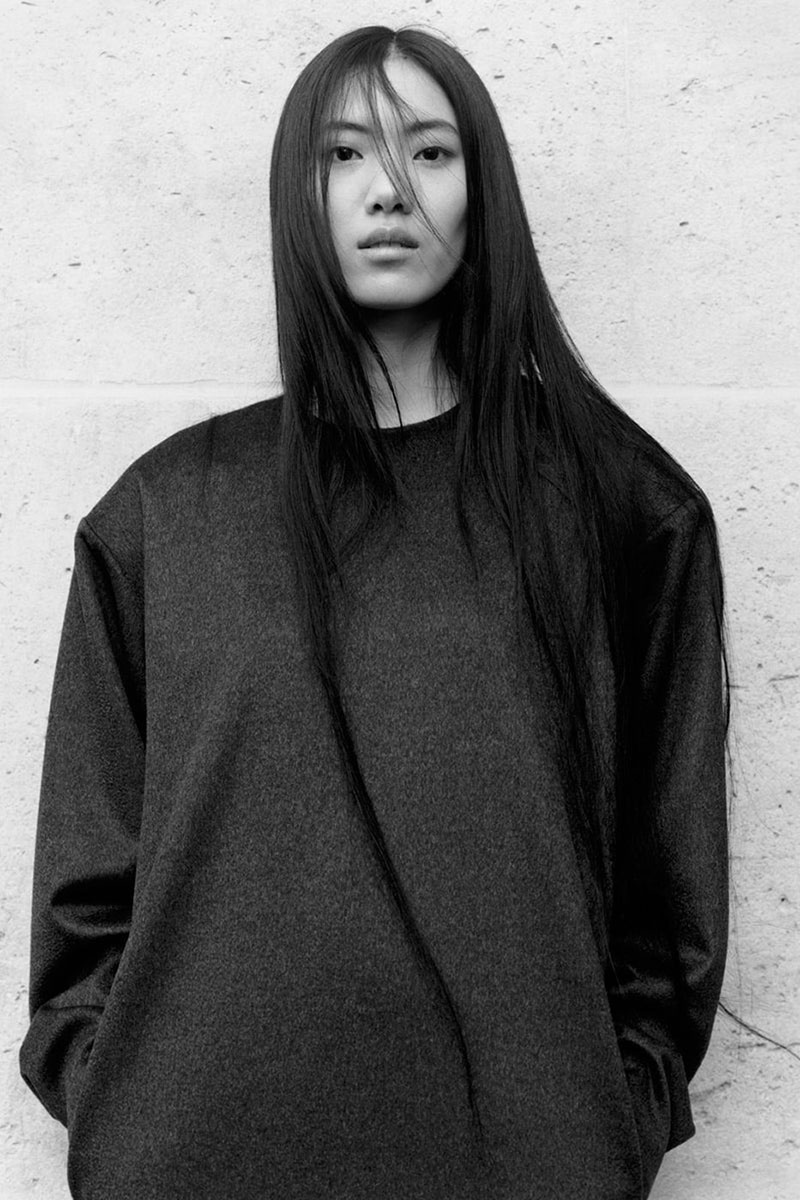
It would be a partial view to examine The Row purely through its handbags, since its clothing line continues to serve as the core of its identity. Tailoring is where the brand’s reputation was built, and pieces like roomy trousers, soft-shouldered blazers, and cashmere pieces continue to anchor each collection. Fabric sourcing leans heavily on Italian mills, with a preference for natural fibers — silk, wool, cashmere, and leather — rather than synthetic blends, which drives both the price point and the lasting quality customers report.
Footwear has quietly grown into a further pillar of the brand, with pared-down flats, loafers, and boots that reflect the same design restraint found in the bags. The brand avoids following fleeting footwear fads as so many other brands do; instead, styles get small tweaks year over year, so a pair purchased in 2022 doesn’t look dated in 2026. Such steadiness is one reason for customers who want to assemble a lasting wardrobe rather than swapping it out yearly.
Sunglasses and small leather goods fill out the accessories offering, frequently acting as a lower-cost entry point into the brand for shoppers hesitant to commit to a full handbag. These compact pieces tend to disappear from shelves rapidly as well, particularly limited colorways, underscoring the broader pattern across The Row’s business: limited manufacturing volumes paired with continued high demand.
How The Row’s Strategy Continues to Succeed in 2026
Close to twenty years since it began, The Row remains one of the few luxury labels that has not diluted its identity pursuing viral trends. There’s no schedule of buzzy collaborations, no nonstop branded merchandise, and no urge to saturate the market with new bag shapes every season. That self-control has turned into the label’s real edge in a market oversaturated with fast turnover and collections shaped by influencer trends.
For anyone putting together a deliberate closet or bag lineup in 2026, understanding this brand means coming to terms with a pretty straightforward equation: fewer releases, a bigger commitment to fabric quality, and a customer base that values discretion over recognition. No matter if the first purchase is a tote, a Margaux, or a single cashmere sweater, the underlying story remains constant — craftsmanship that makes its own case, with no need for fanfare.
Recent Comments