
There’s a particular clatter to a well-loved pokies floor that never really fades, even when the screens go dark and the pub shuts up shop for the night. For decades, the flashing cherries and spinning bells have been part of the Australian weekend ritual, tucked into у нас вы найдёте corner pubs, regional hotels, and dedicated gaming venues from Perth to Brisbane. They’re not just relics of a bygone era either; the simple pull-of-the-lever nostalgia still pulls punters in, even as digital interfaces and bonus rounds take over the modern floor.
What makes these games stick around is the blend of familiarity and chance, a mix that suits the local temperament perfectly. You don’t need a degree in probability to appreciate a three-reel setup that pays out with a satisfying jingle, and that accessibility is exactly why fruit machines in Australia continue to hold their own alongside video pokies and table games. The conversation around them, though, has shifted from pure entertainment to a more measured debate about design, regulation, and how much responsibility sits with the venues versus the punters themselves.
How the Local Scene Actually Plays Out
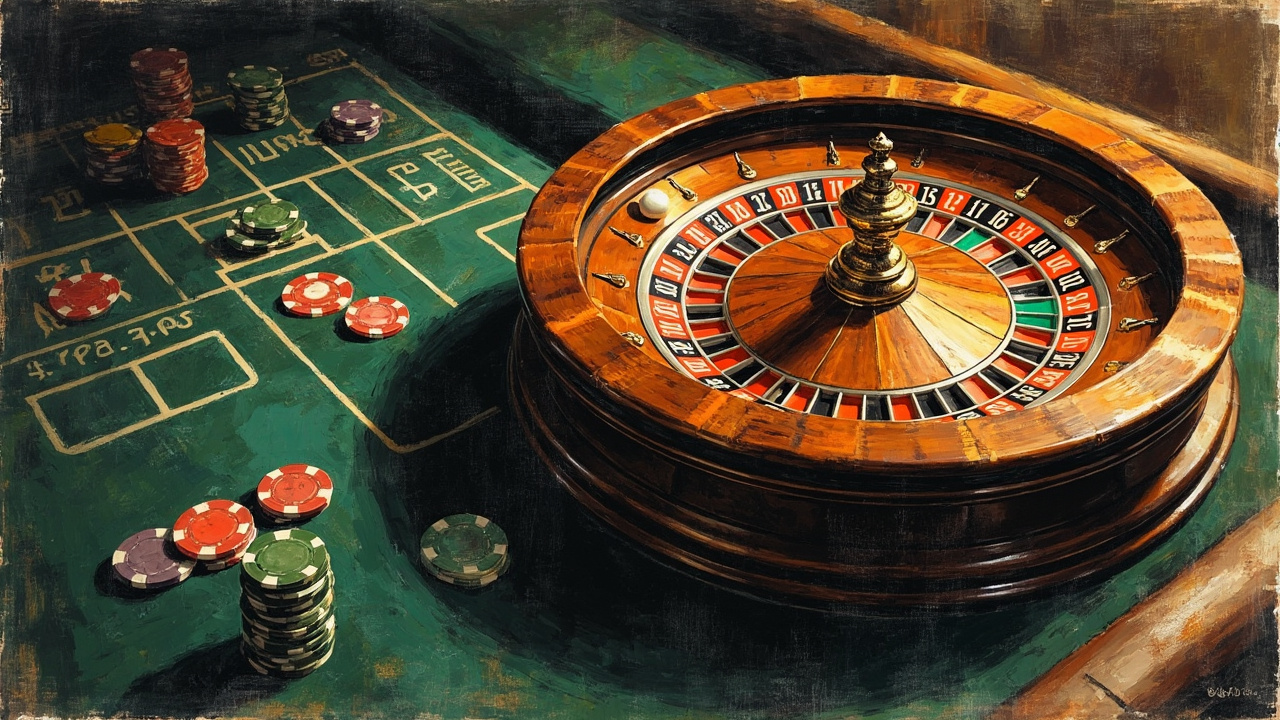
Walk into a suburban hotel on a Friday arvo and you’ll usually find a row of machines humming away near the bar, with a mix of older-style fruit themes and newer video screens sharing the same carpet. The Australian market has always treated these games as part of the broader hospitality ecosystem rather than a standalone attraction, which means you’ll see them woven into the layout of places that also serve schooners, host live music, and run meat trams on the weekend. That integration shapes how people interact with them; they’re often a side activity to a night out rather than the main event, which changes the pace and the expectations around winning.
Regional centres keep the tradition alive in a different way, with smaller venues relying on a handful of well-maintained machines that locals know by heart. You’ll hear regulars talk about a particular machine that “runs hot” or a cabinet that hasn’t paid out in weeks, even if the reality is that each spin operates independently of the last. That kind of folklore keeps the atmosphere lively, and it’s one reason why fruit machines in Australia maintain a cultural foothold that newer, faster-paced games sometimes struggle to match.
The Operator’s View on Retention and Design
Venue operators tend to look at these machines through a practical lens, focusing on floor longevity, maintenance costs, and how well a game keeps people engaged without requiring constant attention from staff. A well-designed fruit-themed cabinet can sit on the floor for years with minimal tweaking, which appeals to managers who need reliable revenue streams without burning through their operational budget. The simpler mechanics also mean less downtime for repairs and a more predictable performance profile, which operators value when planning their gaming layouts.
There’s a counterpoint worth considering, though. Some industry analysts argue that leaning too heavily on familiar fruit themes can limit a venue’s ability to attract younger punters who expect interactive features, progressive jackpots, and faster-paced bonus rounds. The debate isn’t about whether fruit machines are obsolete; it’s about whether venues should treat them as a steady backbone or gradually phase them out in favour of more dynamic options. Both sides have a point, and most sensible managers end up balancing the two rather than picking a hardline stance.
What Regulators Bring to the Table
Australia’s approach to machine gaming has always been shaped by state-based legislation, which means the rules around fruit machines in Australia can vary depending on where you’re standing. Some jurisdictions impose stricter limits on spin speeds, display brightness, and the way losses are communicated to players, while others focus on mandatory responsible gambling signage and staff training requirements. The result is a patchwork of standards that operators have to navigate carefully, especially when they’re running venues across multiple regions.
Regulators also keep a close eye on how games are marketed and whether the visual design could encourage excessive play. That’s led to changes in how certain features are presented, with some jurisdictions requiring clearer information about odds and payout structures. Operators generally accept these requirements as part of running a compliant business, though they’ll often point out that overly restrictive rules can push punters toward unlicensed alternatives. The tension between player protection and commercial flexibility is one of the quieter but persistent themes in the local industry.
Where Players See the Draw
For a lot of punters, the appeal comes down to rhythm and familiarity. A fruit machine offers a slower, more predictable pace that lets people chat, grab a drink, and still feel like they’re part of the action without needing to track complex paylines or bonus triggers. That relaxed style suits casual players who want a bit of entertainment without the intensity of a high-speed video pokie session, and it’s why you’ll often see these machines occupied by mixed groups rather than solo grinders.
There’s another side to the player experience, though. Some regulars argue that the simpler format can make it easier to lose track of spend because the gameplay feels less like a serious betting activity and more like a casual pastime. That perception can work against players who think they’re just having a laugh while the credits quietly tick down. It’s a fair point, and it’s why responsible gambling advocates often emphasise that the style of a game doesn’t change the underlying mathematics, no matter how nostalgic the cherries and bells might look.
Where the Market Heads Next
The next phase for these games looks like a mix of preservation and adaptation. Venues that want to keep fruit machines in Australia on their floors are increasingly pairing them with modern responsible gambling tools, clearer signage, and better staff training so the experience stays enjoyable without drifting into problematic territory. At the same time, some operators are testing hybrid cabinets that keep the classic fruit aesthetic but add updated display features and smoother payout systems, which gives the old format a bit of a refresh without losing its identity.
The broader market trend also points toward digital convenience, with more punters checking options online and comparing what’s available across different platforms. That shift has pushed some venues to think beyond the physical floor and consider how their branding and game selection translate to a wider audience. It’s a pragmatic response to changing habits, and it’s why you’ll see industry players keeping an eye on how digital and land-based offerings coexist rather than treating them as separate worlds.
Choosing a Setup That Fits Your Night
If you’re weighing up where to spend your time and money, it helps to look at the bigger picture rather than just the flashiest cabinet on the wall. A good night out should balance entertainment, pacing, and a clear sense of what you’re comfortable spending, and that applies whether you’re at a local hotel or checking out options on a reputable platform. For players who want a straightforward comparison of what’s available, resources like the CEO Magazine often cover broader industry shifts that can help you understand how venues and platforms position themselves.
The same goes for keeping up with how gaming options evolve, especially when you’re comparing land-based experiences with online alternatives. Sites such as GamblingHood track changes in player preferences and platform offerings, which can be useful if you’re trying to figure out whether a particular style of game suits your habits. When you’re looking at online options, it’s worth checking current offers and terms carefully, and a page like rocket casino bonus codes 2023 can point you toward up-to-date promotions if you’re exploring that side of the market.
- Check the local rules for the venue or platform you’re using, since requirements can differ between states and operators.
- Set a spending limit before you start playing and treat it as the cost of entertainment rather than a target to recover.
- Pick games with a pace that matches your mood, because a slower fruit-style session isn’t automatically easier on the wallet.
- Watch the display information and paytable details so you know what you’re looking at before you commit to a machine.
- Take regular breaks, especially if you’ve been playing for a while, because fatigue makes it harder to keep track of time and spend.
- Compare the overall experience, not just the theme, since a well-run venue or platform usually offers clearer terms and better support.
- Keep an eye on how promotions and offers change over time, because terms shift and what looks generous on paper isn’t always the best fit in practice.
Recent Comments